- All about cryptocurrency for beginners
- Everything you need to know about cryptocurrency
- All about cryptocurrency investing
All about cryptocurrency
There exist multiple methods of storing keys or seed in a wallet. These methods range from using paper wallets (which are public, private, or seed keys written on paper), to using hardware wallets (which are hardware to store your wallet information), to a digital wallet (which is a computer with software hosting your wallet information), to hosting your wallet using an exchange where cryptocurrency is traded, or by storing your wallet information on a digital medium such as plaintext https://aboutcasino-australian.org/.
The EU defines crypto assets as “a digital representation of a value or of a right that is able to be transferred and stored electronically using distributed ledger technology or similar technology.” The EU regulation Markets in Crypto-Assets (MiCA) covering asset-referenced tokens (ARTs) and electronic money tokens (EMTs) (also known as stablecoins) came into force on 30 June 2024. As of 17 January 2025, the European Securities and Markets Authority (ESMA) issued guidance to crypto-asset service providers (CASPs) allowing them to maintain crypto-asset services for non-compliant ARTs and EMTs until the end of March 2025.
Frankly, I’ve felt that the Bitcoin digital currency and other cryptocurrencies were, at best, extremely volatile and risky investments (did I mention the price of a Bitcoin coin went from $10,764 in September 2020 to $64,829 in April 2021 and is now down to $40,000?) and, at worst, sometimes sketchy. I figured the cryptocurrency craze would fade. I was wrong about that last part.
Traditional financial (TradFi) systems rely on centralised entities like banks to validate and process transactions. In contrast, cryptocurrencies use decentralised networks of computers (nodes) to achieve consensus on transaction validity. This decentralisation reduces the risk of single points of failure and increases the resilience of the network.
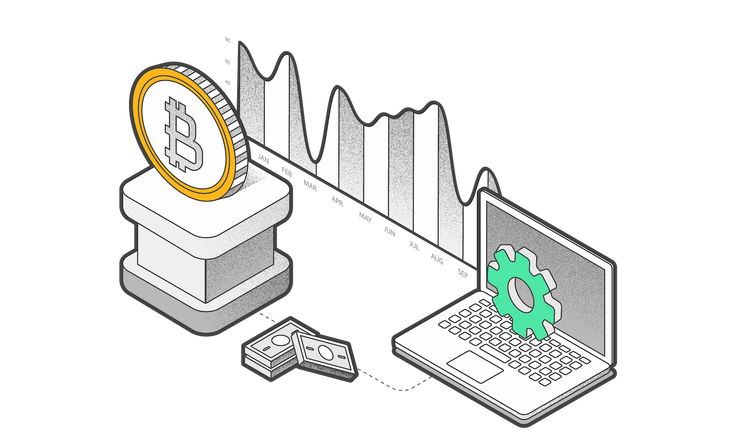
All about cryptocurrency for beginners
One of Bitcoin’s most significant features is its limited supply. The total supply of Bitcoin is capped at 21 million coins, a limit hard-coded into the protocol by Nakamoto. This scarcity is intended to mimic precious metals like gold, giving Bitcoin its ‘digital gold’ moniker and contributing to its value proposition as a store of value.
Cryptocurrencies and other cryptoassets are famous for their wild price swings, and they don’t always move in the direction you want. But this volatility has actually benefited some investors, making it an asset class you shouldn’t overlook.
Disclaimer: NerdWallet strives to keep its information accurate and up to date. This information may be different than what you see when you visit a financial institution, service provider or specific product’s site. All financial products, shopping products and services are presented without warranty. When evaluating offers, please review the financial institution’s Terms and Conditions. Pre-qualified offers are not binding. If you find discrepancies with your credit score or information from your credit report, please contact TransUnion® directly.
This is what makes cryptocurrencies fundamentally different from traditional fiat currencies. How does it all work? Well, when a user initiates a cryptocurrency transaction, they send a digital currency unit to another user’s digital wallet.
Cryptocurrencies come in various types, each with its own characteristics and purpose. The most well-known type is Bitcoin, which was the first cryptocurrency to be introduced and remains the largest by market capitalization.
Everything you need to know about cryptocurrency
It’s important to remember that Bitcoin is different from cryptocurrency in general. While Bitcoin is the first and most valuable cryptocurrency, the market is large — there are thousands of cryptocurrencies. And while some cryptocurrencies have total market valuations in the hundreds of billions of dollars, others are obscure and essentially worthless.
Please note that the availability of the products and services on the Crypto.com App is subject to jurisdictional limitations. Crypto.com may not offer certain products, features and/or services on the Crypto.com App in certain jurisdictions due to potential or actual regulatory restrictions.
The government produces traditional currency in paper bills and coins you can carry with you or put in a bank. You can use it for purchases and other transactions that require cash. The government backs traditional currency, while cryptocurrency has no government, bank, or financial institution controls.
Cryptocurrencies have become a popular tool with criminals for nefarious activities such as money laundering and illicit purchases. The case of Dread Pirate Roberts, who ran a marketplace to sell drugs on the dark web, is already well known. Cryptocurrencies have also become a favorite of hackers who use them for ransomware activities.
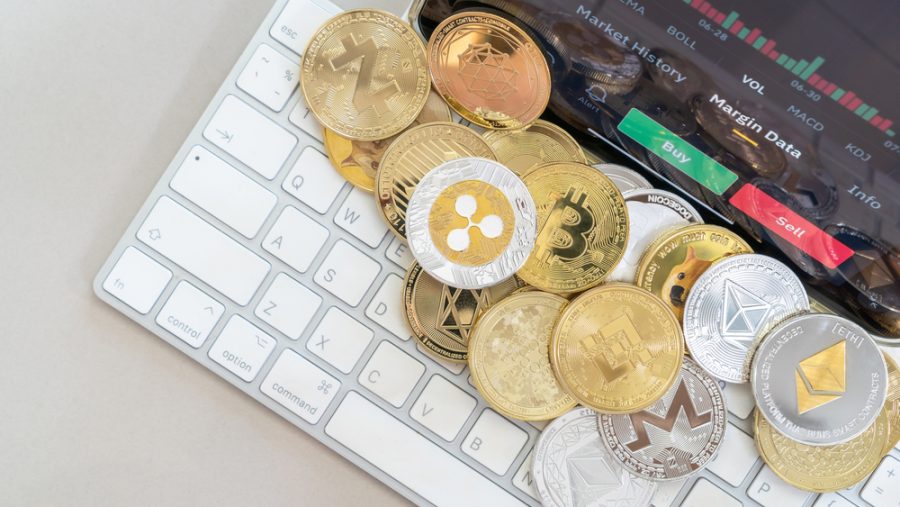
It’s important to remember that Bitcoin is different from cryptocurrency in general. While Bitcoin is the first and most valuable cryptocurrency, the market is large — there are thousands of cryptocurrencies. And while some cryptocurrencies have total market valuations in the hundreds of billions of dollars, others are obscure and essentially worthless.
Please note that the availability of the products and services on the Crypto.com App is subject to jurisdictional limitations. Crypto.com may not offer certain products, features and/or services on the Crypto.com App in certain jurisdictions due to potential or actual regulatory restrictions.
All about cryptocurrency investing
“There are additional options to invest in crypto indirectly. Recently, the SEC approved several spot bitcoin ETFs which you can purchase in a brokerage account,” says Rischall. “You can also invest in publicly traded stocks of companies related to crypto, such as major crypto exchanges, hardware manufacturers and service providers.”
Investing in any asset, such as stocks or bonds, involves assessing its risk-return. In the case of crypto, the risk-return level is significantly higher than it is with other asset classes. This doesn’t make it a bad investment, especially because of the potential that crypto investments can have, but it does make thorough research more important than ever.
The price volatility of cryptocurrencies makes them an interesting proposition for investors. It is possible, as with any asset, to make or lose significant amounts of money, although this process can be exacerbated within crypto. Price swings are often driven by conversations about the revolutionary nature of cryptocurrencies, as well as by wider economic factors.
The first chain to launch smart contracts was Ethereum. A smart contract enables multiple scripts to engage with each other using clearly defined rules, to execute on tasks which can become a coded form of a contract. They have revolutionized the digital asset space because they have enabled decentralized exchanges, decentralized finance, ICOs, IDOs and much more. A huge proportion of the value created and stored in cryptocurrency is enabled by smart contracts.
Cryptocurrency transactions are recorded on public blockchains, making them highly traceable compared to cash. Law enforcement agencies use blockchain analytics to track illicit activities. Legitimate applications, like decentralized finance, remittances, and cross-border payments, dominate crypto use. Illicit activity accounts for less than 1%2 of crypto transactions, debunking this outdated misconception.