Cryptocurrency
A few years ago, the idea that a publicly traded company might hold Bitcoin on its balance sheets seemed highly laughable. The flagship cryptocurrency was considered to be too volatile to be adopted by any serious business https://helpforerror.com/. Many top investors, including Warren Buffett, labeled the asset a “bubble waiting to pop.”
NFTs are multi-use images that are stored on a blockchain. They can be used as art, a way to share QR codes, ticketing and many more things. The first breakout use was for art, with projects like CryptoPunks and Bored Ape Yacht Club gaining large followings. We also list all of the top NFT collections available, including the related NFT coins and tokens.. We collect latest sale and transaction data, plus upcoming NFT collection launches onchain. NFTs are a new and innovative part of the crypto ecosystem that have the potential to change and update many business models for the Web 3 world.
Thanks to its pioneering nature, BTC remains at the top of this energetic market after over a decade of existence. Even after Bitcoin has lost its undisputed dominance, it remains the largest cryptocurrency, with a market capitalization that surpassed the $1 trillion mark in 2021, after Bitcoin price hit an all-time high of $64,863.10 on April 14, 2021. This is owing in large part to growing institutional interest in Bitcoin, and the ubiquitousness of platforms that provide use-cases for BTC: wallets, exchanges, payment services, online games and more.
TThe data at CoinMarketCap updates every few seconds, which means that it is possible to check in on the value of your investments and assets at any time and from anywhere in the world. We look forward to seeing you regularly!
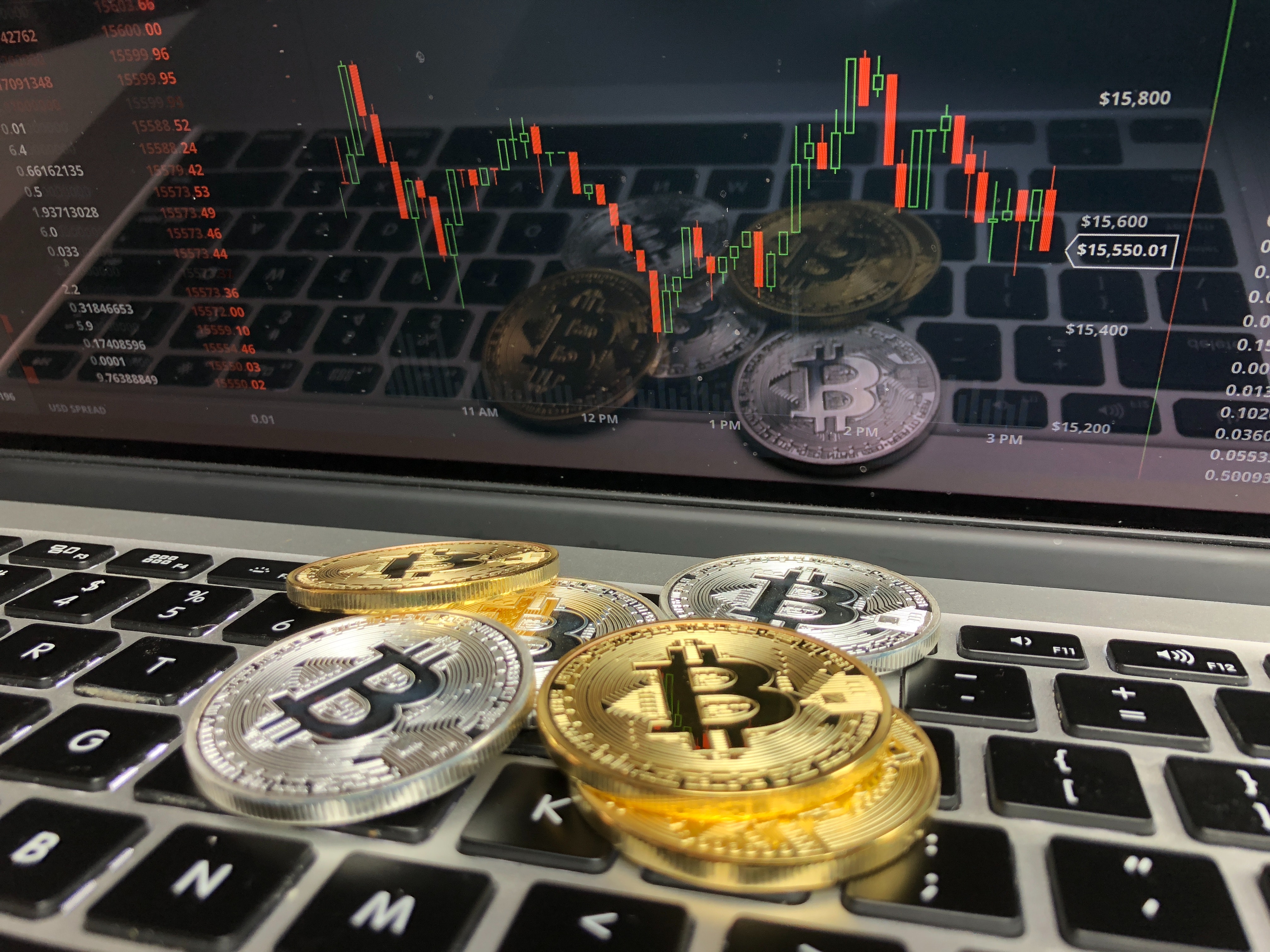
Cryptocurrency
TThe data at CoinMarketCap updates every few seconds, which means that it is possible to check in on the value of your investments and assets at any time and from anywhere in the world. We look forward to seeing you regularly!
Regulators in several countries have warned against cryptocurrency and some have taken measures to dissuade users. However, research in 2021 by the UK’s financial regulator suggests such warnings either went unheard, or were ignored. Fewer than one in 10 potential cryptocurrency buyers were aware of consumer warnings on the FCA website, and 12% of crypto users were not aware that their holdings were not protected by statutory compensation. Of 1,000 respondents between the ages of eighteen and forty, almost 70% wrongly assumed cryptocurrencies were regulated, 75% of younger crypto investors claimed to be driven by competition with friends and family, 58% said that social media enticed them to make high risk investments. The FCA recommends making use of its warning list, which flags unauthorized financial firms.
On 11 November 2022, FTX Trading Ltd., a cryptocurrency exchange, which also operated a crypto hedge fund, and had been valued at $18 billion, filed for bankruptcy. The financial impact of the collapse extended beyond the immediate FTX customer base, as reported, while, at a Reuters conference, financial industry executives said that “regulators must step in to protect crypto investors.” Technology analyst Avivah Litan commented on the cryptocurrency ecosystem that “everything…needs to improve dramatically in terms of user experience, controls, safety, customer service.”
According to Vanessa Grellet, renowned panelist in blockchain conferences, there was an increasing interest from traditional stock exchanges in crypto-assets at the end of the 2010s, while crypto-exchanges such as Coinbase were gradually entering the traditional financial markets. This convergence marked a significant trend where conventional financial actors were adopting blockchain technology to enhance operational efficiency, while the crypto world introduced innovations like Security Token Offering (STO), enabling new ways of fundraising. Tokenization, turning assets such as real estate, investment funds, and private equity into blockchain-based tokens, had the potential to make traditionally illiquid assets more accessible to investors. Despite the regulatory risks associated with such developments, major financial institutions, including JPMorgan Chase, were actively working on blockchain initiatives, exemplified by the creation of Quorum, a private blockchain platform.
On November 2, 2023, Sam Bankman-Fried was pronounced guilty on seven counts of fraud related to FTX. Federal criminal court sentencing experts speculated on the potential amount of prison time likely to be meted out. On March 28, 2024, the court sentenced Bankman-Fried to 25 years in prison.
Bitcoin cryptocurrency
Governments have expressed concern about bitcoin’s ability to operate without oversight or control. Countries like China and India have attempted bans, but bitcoin’s protocol, as open-source software, has made such bans impossible to enforce. Meanwhile, countries such as El Salvador have embraced bitcoin as legal tender, and U.S. regulators classify it as a commodity, signaling broader acceptance.
Bitcoin transactions use a Forth-like scripting language, : ch. 5 involving one or more inputs and outputs. When sending bitcoins, a user specifies the recipients’ addresses and the amount for each output. This allows sending bitcoins to several recipients in a single transaction. To prevent double-spending, each input must refer to a previous unspent output in the blockchain. Using multiple inputs is similar to using multiple coins in a cash transaction. As in a cash transaction, the sum of inputs can exceed the intended sum of payments. In such a case, an additional output can return the change back to the payer. Unallocated input satoshis in the transaction become the transaction fee.
According to research published in the International Review of Financial Analysis in 2018, bitcoin as an asset is highly volatile and does not behave like any other conventional asset. According to one 2022 analysis published in The Journal of Alternative Investments, bitcoin was less volatile than oil, silver, US Treasuries, and 190 stocks in the S&P 500 during and after the 2020 stock market crash. The term hodl was created in December 2013 for holding bitcoin rather than selling it during periods of volatility.
What makes bitcoin distinct from other cryptocurrencies is that it is decentralized, free from centralized control, and censorship resistant, meaning that transactions cannot be blocked or reversed. Additionally, it carries no counterparty risk — individual owners control the asset directly, rather than banks or financial companies. Bitcoin also benefits from growing regulatory clarity, making it increasingly trusted by institutions, investors, and even sovereign nations.
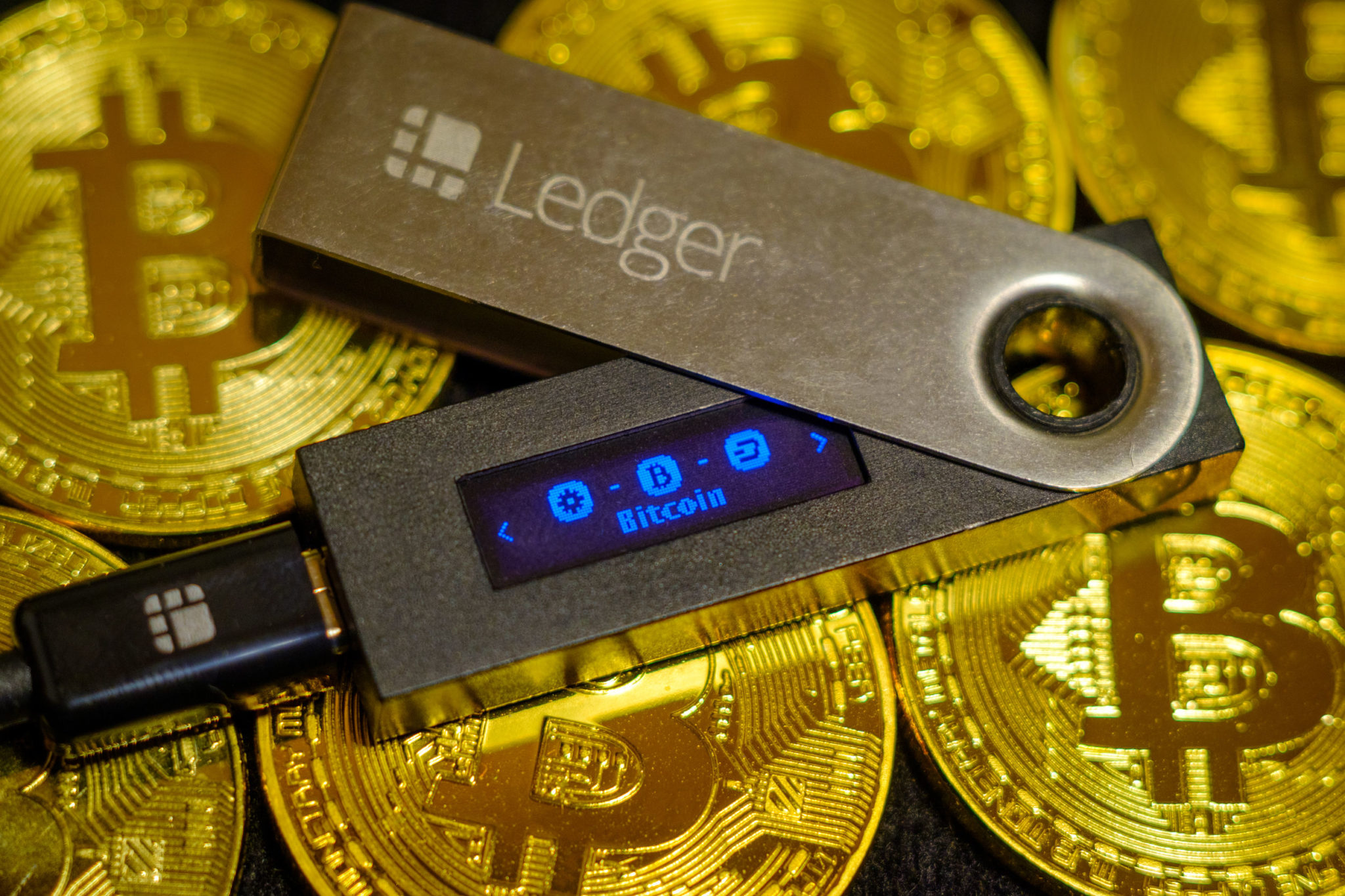
Governments have expressed concern about bitcoin’s ability to operate without oversight or control. Countries like China and India have attempted bans, but bitcoin’s protocol, as open-source software, has made such bans impossible to enforce. Meanwhile, countries such as El Salvador have embraced bitcoin as legal tender, and U.S. regulators classify it as a commodity, signaling broader acceptance.
Bitcoin transactions use a Forth-like scripting language, : ch. 5 involving one or more inputs and outputs. When sending bitcoins, a user specifies the recipients’ addresses and the amount for each output. This allows sending bitcoins to several recipients in a single transaction. To prevent double-spending, each input must refer to a previous unspent output in the blockchain. Using multiple inputs is similar to using multiple coins in a cash transaction. As in a cash transaction, the sum of inputs can exceed the intended sum of payments. In such a case, an additional output can return the change back to the payer. Unallocated input satoshis in the transaction become the transaction fee.
Cryptocurrency prices
The very first cryptocurrency was Bitcoin. Since it is open source, it is possible for other people to use the majority of the code, make a few changes and then launch their own separate currency. Many people have done exactly this. Some of these coins are very similar to Bitcoin, with just one or two amended features (such as Litecoin), while others are very different, with varying models of security, issuance and governance. However, they all share the same moniker — every coin issued after Bitcoin is considered to be an altcoin.
In January 2024 the SEC approved 11 exchange traded funds to invest in Bitcoin. There were already a number of Bitcoin ETFs available in other countries, but this change allowed them to be available to retail investors in the United States. This opens the way for a much wider range of investors to be able to add some exposure to cryptocurrency in their portfolios.
Generally, cryptocurrency price data will be more reliable for the most popular cryptocurrencies. Cryptocurrencies such as Bitcoin and Ethereum enjoy high levels of liquidity and trade at similar rates regardless of which specific cryptocurrency exchange you’re looking at. A liquid market has many participants and a lot of trading volume – in practice, this means that your trades will execute quickly and at a predictable price. In an illiquid market, you might have to wait for a while before someone is willing to take the other side of your trade, and the price could even be affected significantly by your order.
CoinMarketCap does not offer financial or investment advice about which cryptocurrency, token or asset does or does not make a good investment, nor do we offer advice about the timing of purchases or sales. We are strictly a data company. Please remember that the prices, yields and values of financial assets change. This means that any capital you may invest is at risk. We recommend seeking the advice of a professional investment advisor for guidance related to your personal circumstances.
Almost. We have a process that we use to verify assets. Once verified, we create a coin description page like this. The world of crypto now contains many coins and tokens that we feel unable to verify. In those situations, our Dexscan product lists them automatically by taking on-chain data for newly created smart contracts. We do not cover every chain, but at the time of writing we track the top 70 crypto chains, which means that we list more than 97% of all tokens.