Cryptocurrency
Disclaimer: This page may contain affiliate links. CoinMarketCap may be compensated if you visit any affiliate links and you take certain actions such as signing up and transacting with these affiliate platforms https://sweepstake-casinos.org/. Please refer to Affiliate Disclosure
When the cryptocurrency was launched at the beginning of 2009, as Satoshi Nakamoto mined the bitcoin genesis block (the first-ever block on the Bitcoin blockchain), 50 BTC entered circulation at a price of $0.00.
Bitcoin (BTC) works on a technology called blockchain. Blockchain is a public ledger that records all Bitcoin transactions. When you send Bitcoin, your transaction gets added to a block. Miners, who are specialized computers, verify these transactions by solving complex math problems. Once verified, the block gets added to the blockchain, and the transaction is complete.
One of the biggest winners is Axie Infinity — a Pokémon-inspired game where players collect Axies (NFTs of digital pets), breed and battle them against other players to earn Smooth Love Potion (SLP) — the in-game reward token. This game was extremely popular in developing countries like The Philippines, due to the level of income they could earn. Players in the Philippines can check the price of SLP to PHP today directly on CoinMarketCap.
Bitcoin is based on revolutionary blockchain technology, where transactions are recorded on a public distributed ledger and are secured by a decentralized network of computers dedicating their computational power to solving cryptographic tasks.
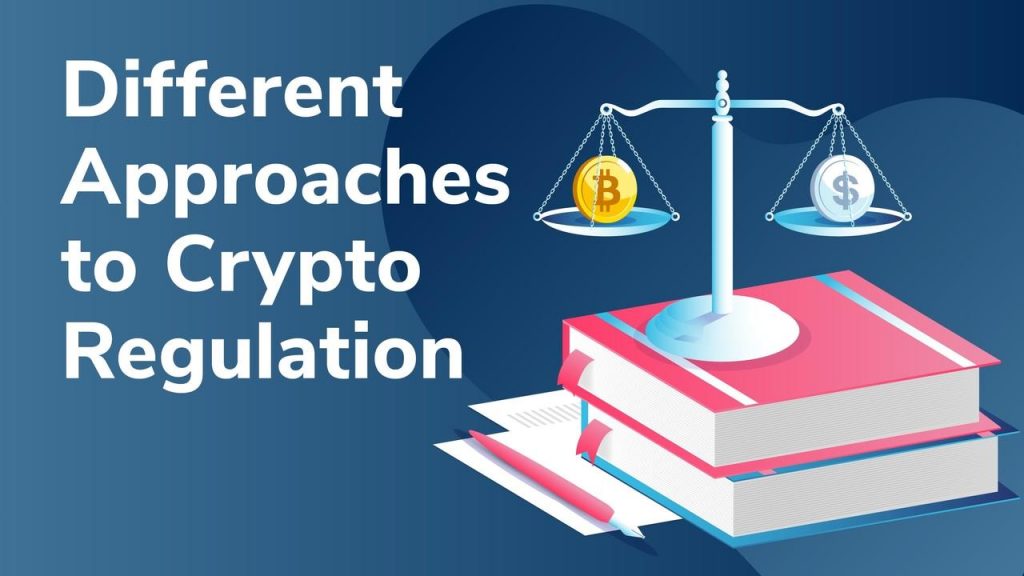
Cryptocurrency regulation
The Brookings Institution is a nonprofit organization based in Washington, D.C. Our mission is to conduct in-depth, nonpartisan research to improve policy and governance at local, national, and global levels.
One reason for cryptocurrency’s enduring popularity is its promise to decentralize money and trade. According to proponents, digital currencies might lead to less control and regulation by entities like the SEC, central banks, and other political institutions. Advocates argue that this, in turn, will lead to a more equitable or “democratic” financial ecosystem. Also, blockchain encourages trust among those in the market without needing external enforcement, as with fiat currencies, since its underlying technology can’t be changed and is transparent to those with the expertise.
“Brazil has been a frontrunner in crypto policy,” says Bruno Sousa, head of U.S. and New Markets at Hashdex. Brazil’s central bank launched a pilot project to create a digital real with public use expected at the end of 2024.
The Brookings Institution is a nonprofit organization based in Washington, D.C. Our mission is to conduct in-depth, nonpartisan research to improve policy and governance at local, national, and global levels.
One reason for cryptocurrency’s enduring popularity is its promise to decentralize money and trade. According to proponents, digital currencies might lead to less control and regulation by entities like the SEC, central banks, and other political institutions. Advocates argue that this, in turn, will lead to a more equitable or “democratic” financial ecosystem. Also, blockchain encourages trust among those in the market without needing external enforcement, as with fiat currencies, since its underlying technology can’t be changed and is transparent to those with the expertise.
What is cryptocurrency
Cryptocurrency has introduced a new way to think about money and financial transactions. Some believe it could eventually replace traditional financial systems, while others see it as a complement to existing systems. Still, cryptocurrencies have already impacted finance and technology, and their influence will likely continue to grow.
With crypto assets, fundamental metrics such as a P/E ratio, dividend rate, or yield-to-maturity do not apply. Instead, HODLers may invest in the “scarcity value” of a finite crypto such as Bitcoin—similar to the way investors view gold and precious metals as assets that may hold their value amid inflation. Learn more about crypto HODLing.
Popular cryptocurrencies like Bitcoin, Ethereum, and Tether showcase the diverse applications of this technology, from peer-to-peer payments to supporting decentralized applications and stablecoins. As cryptocurrency continues to evolve, it brings both exciting opportunities and challenges, particularly in terms of regulation, security, and adoption across various sectors.

Cryptocurrency has introduced a new way to think about money and financial transactions. Some believe it could eventually replace traditional financial systems, while others see it as a complement to existing systems. Still, cryptocurrencies have already impacted finance and technology, and their influence will likely continue to grow.
With crypto assets, fundamental metrics such as a P/E ratio, dividend rate, or yield-to-maturity do not apply. Instead, HODLers may invest in the “scarcity value” of a finite crypto such as Bitcoin—similar to the way investors view gold and precious metals as assets that may hold their value amid inflation. Learn more about crypto HODLing.
Popular cryptocurrencies like Bitcoin, Ethereum, and Tether showcase the diverse applications of this technology, from peer-to-peer payments to supporting decentralized applications and stablecoins. As cryptocurrency continues to evolve, it brings both exciting opportunities and challenges, particularly in terms of regulation, security, and adoption across various sectors.