Cryptocurrency
Every new block generated must be verified before being confirmed, making it almost impossible to forge transaction histories. The contents of the online ledger must be agreed upon by a network of individual nodes, or computers that maintain the ledger https://monicaruidresses.com/.
In May 2018, Bitcoin Gold had its transactions hijacked and abused by unknown hackers. Exchanges lost an estimated $18m and bitcoin Gold was delisted from Bittrex after it refused to pay its share of the damages.
The rewards paid to miners increase the supply of the cryptocurrency. By making sure that verifying transactions is a costly business, the integrity of the network can be preserved as long as benevolent nodes control a majority of computing power. The verification algorithm requires a lot of processing power, and thus electricity, in order to make verification costly enough to accurately validate the public blockchain. Not only do miners have to factor in the costs associated with expensive equipment necessary to stand a chance of solving a hash problem, they must further consider the significant amount of electrical power in search of the solution. Generally, the block rewards outweigh electricity and equipment costs, but this may not always be the case.
HODL is a cryptocurrency slang term that refers to holding a crypto coin or token for the long term. It comes from a typo in a 2013 thread titled “I AM HODLING” posted on BitcoinTalk, a cryptocurrency forum.

Top cryptocurrency
Buying cryptocurrency doesn’t grant you ownership over anything except the token itself; it’s more like exchanging one form of currency for another. If the crypto loses its value, you won’t receive anything after the fact.
One of the biggest winners is Axie Infinity — a Pokémon-inspired game where players collect Axies (NFTs of digital pets), breed and battle them against other players to earn Smooth Love Potion (SLP) — the in-game reward token. This game was extremely popular in developing countries like The Philippines, due to the level of income they could earn. Players in the Philippines can check the price of SLP to PHP today directly on CoinMarketCap.
Die erste Blockchain, die Smart Contracts einführte, war Ethereum. Ein Smart Contract ermöglicht es mehreren Skripten, basierend auf klar definierten Regeln miteinander zu interagieren, um Aufgaben auszuführen, die eine kodifizierte Form eines Vertrags werden können. Sie haben den Raum digitaler Assets revolutioniert, da sie dezentralisierte Börsen, dezentralisierte Finanzen, ICOs, IDOs und vieles mehr ermöglicht haben. Ein großer Teil des Werts, der in Kryptowährung geschaffen und gespeichert wird, wird durch Smart Contracts ermöglicht.
Aside from its low fees, Kraken Pro offers a customizable interface, catering to sophisticated traders looking for advanced trading features. With support for over 185 cryptocurrencies, Kraken’s wide selection of digital assets accommodates a diverse array of trading preferences and strategies.
Binance, similar to a library with a vast collection of books, is renowned for its extensive array of altcoins. As one of the most popular and widely used cryptocurrency exchanges globally, Binance offers a comprehensive array of altcoins, catering to traders looking to diversify their investment portfolios.
Cryptocurrency regulation
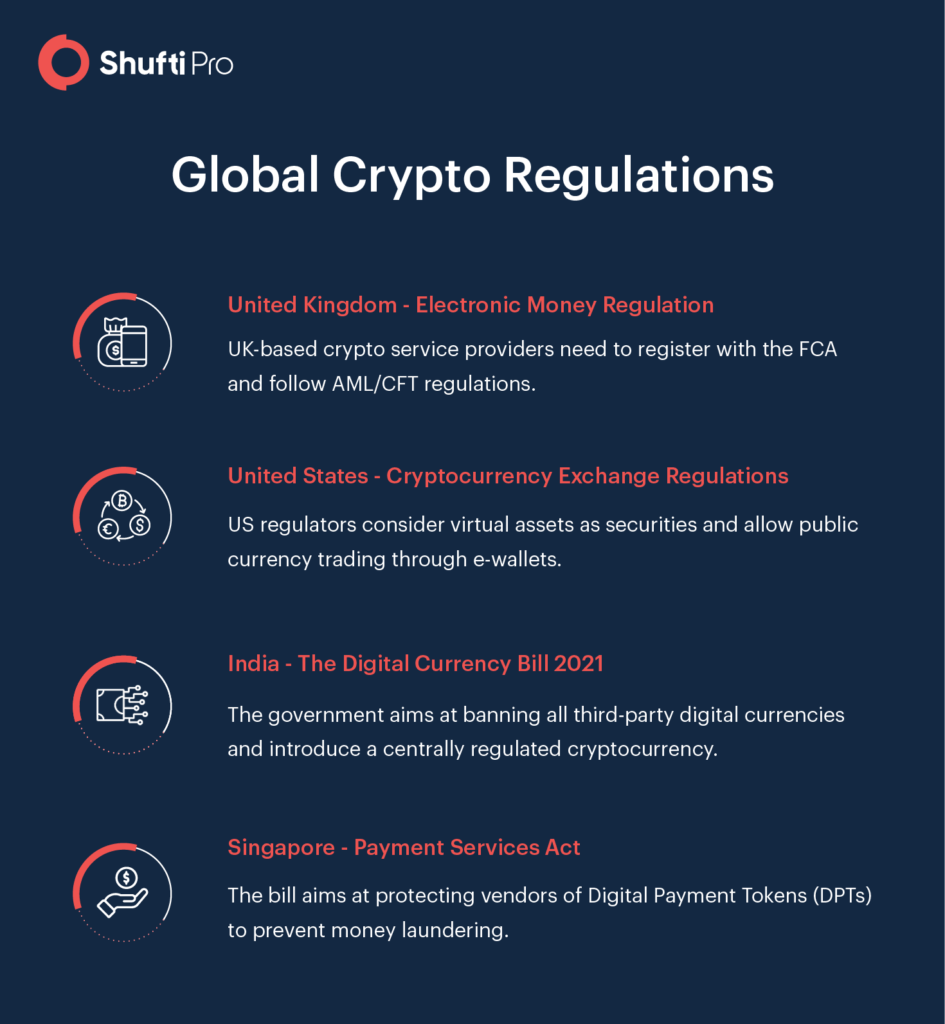
The Nevada Financial Institutions Division states that “ Any entity that facilitates the transmission of or holds fiat or digital currency…should contact the NFID to request a licensure determination.” Whether a license is required is decided on a case-by-case basis. However, the Division advises that “an entity engaged in the business of selling or issuing checks or of receiving for transmission or transmitting money or credits is required to have a license under . However, if an entity proposes to serve as a digital custodian for any form of digital currency, then the business may be regulated as a trust company under .” NV Rev Stat § 657a creates a Regulatory Experimentation Program (sandbox) for Product Innovation. Under this program, companies that use “a new or emerging technology, or any novel use of an existing technology, to address a problem, provide a benefit or otherwise offer or provide a financial product or service that is determined by the Director not to be widely available in this State” (NV Rev Stat § 657A.150) can if accepted, “obtain limited access to markets” without “Applying for or obtaining any license or other authorization otherwise required” (NV Rev Stat § 657A.200). The statute lays out a series of specific requirements for disclosure, operation, and oversight during the two-year testing period. In 2019, Nevada adopted three bills that include virtual currency in existing laws. SB 164 “clarif that certain virtual currencies are intangible personal property for the purposes of taxation.” AB 15 includes virtual currency in the definition of a monetary instrument for the purpose of crimes related to certain financial transactions. SB 44 includes virtual currency in the definition of property under the Revised Uniform Unclaimed Property Act.
SEC Chair Gary Gensler has stated that crypto platforms and lenders need to be regulated as stock exchanges. Only after this, they can be utilized as qualified custodians by investment advisors. This stance highlights the SEC’s emphasis on protecting investors and maintaining the integrity of the financial markets, while also recognizing the need to adapt to the evolving landscape of digital assets.
Both emerging-market and advanced economies still lag on comprehensive regulation and oversight. Only 19 of the 60 countries studied have regulations for taxation, AML/CFT, consumer protection, and licensing. 13% of the emerging market countries studied have all the above regulations.
The U.S. announced a new framework in 2022 that opened the door to further regulation. The new directive handed power to existing market regulators such as the Securities and Exchange Commission (SEC) and the Commodity Futures Trading Commission (CFTC).
The Nevada Financial Institutions Division states that “ Any entity that facilitates the transmission of or holds fiat or digital currency…should contact the NFID to request a licensure determination.” Whether a license is required is decided on a case-by-case basis. However, the Division advises that “an entity engaged in the business of selling or issuing checks or of receiving for transmission or transmitting money or credits is required to have a license under . However, if an entity proposes to serve as a digital custodian for any form of digital currency, then the business may be regulated as a trust company under .” NV Rev Stat § 657a creates a Regulatory Experimentation Program (sandbox) for Product Innovation. Under this program, companies that use “a new or emerging technology, or any novel use of an existing technology, to address a problem, provide a benefit or otherwise offer or provide a financial product or service that is determined by the Director not to be widely available in this State” (NV Rev Stat § 657A.150) can if accepted, “obtain limited access to markets” without “Applying for or obtaining any license or other authorization otherwise required” (NV Rev Stat § 657A.200). The statute lays out a series of specific requirements for disclosure, operation, and oversight during the two-year testing period. In 2019, Nevada adopted three bills that include virtual currency in existing laws. SB 164 “clarif that certain virtual currencies are intangible personal property for the purposes of taxation.” AB 15 includes virtual currency in the definition of a monetary instrument for the purpose of crimes related to certain financial transactions. SB 44 includes virtual currency in the definition of property under the Revised Uniform Unclaimed Property Act.
SEC Chair Gary Gensler has stated that crypto platforms and lenders need to be regulated as stock exchanges. Only after this, they can be utilized as qualified custodians by investment advisors. This stance highlights the SEC’s emphasis on protecting investors and maintaining the integrity of the financial markets, while also recognizing the need to adapt to the evolving landscape of digital assets.
Cryptocurrency news
Our Crypto news provides comprehensive updates on various aspects of the cryptocurrency and blockchain ecosystem. It includes real-time price movements and market analysis for major cryptocurrencies like Bitcoin and Ethereum, detailing their performance trends and trading volumes. Regulatory developments are also highlighted, covering new laws, enforcement actions, and legal issues impacting the industry, both domestically and internationally. Additionally, news often focuses on technological advancements, such as upgrades to blockchain networks, new cryptocurrency launches, and innovations in decentralized finance (DeFi) and non-fungible tokens (NFTs). This coverage helps investors and enthusiasts stay informed about the dynamic and rapidly evolving world of digital assets.
Cryptocurrencies are digital or virtual currencies that use cryptographic methods to secure transactions and control the creation of new units. Unlike traditional fiat currencies, which are issued and regulated by central authorities such as governments or central banks, cryptocurrencies operate on decentralized networks. These networks often employ blockchain technology, a public ledger system that records all transactions transparently and immutably.
Prominent figures in the crypto space, Ark Invest CEO Cathie Wood and Galaxy Digital CEO Mike Novogratz, have expressed optimism regarding the approval of a spot bitcoin ETF by the SEC. With several applications pending, the crypto community eagerly awaits a positive decision, which could further legitimize and boost the adoption of cryptocurrencies
With PayPal’s recent stablecoin announcement, scammers are attempting to capitalize on the hype by releasing counterfeit PYUSD tokens on various blockchains. This serves as a cautionary tale for investors to exercise due diligence and verify the authenticity of tokens before making any transactions.
Bitcoin’s price saw a 3% uptick, climbing to just shy of $30,000 in response to a plunge in global long-dated government bond yields. This fall in yields was triggered by China’s far weaker than anticipated trade numbers for July. The U.S. 10-year Treasury yield tumbled below the 4% mark. These macroeconomic shifts have seemingly buoyed the crypto market, with other notable cryptocurrencies like Solana (SOL), Toncoin (TON), and Chainlink (LINK) registering gains of over 4% at the time of writing.